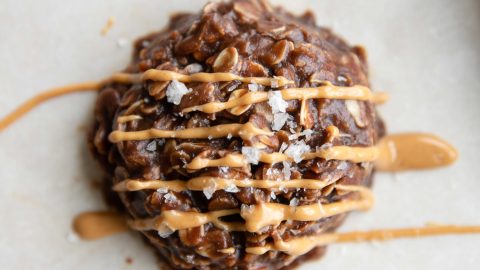
Have you ever had a sudden craving for something sweet but really didn’t want to turn on the oven? We have all been there! That is where no bake cookies come to the rescue. These classic treats are a staple in many kitchens because they are incredibly fast to make. You only need a few basic ingredients that are likely already sitting in your pantry right now. Whether you are a busy parent or someone who just moved into a dorm, these cookies are the perfect solution for a quick sugar fix. They offer a rich, fudgy texture that melts in your mouth and satisfies your chocolate cravings instantly.
I remember making these with my grandmother on hot summer days. We loved them because they didn’t heat up the whole house. The best part about no bake cookies is how forgiving the recipe can be. You don’t need to be a master chef to get them right. As long as you can boil a pot of sugar and butter, you are halfway to a delicious snack. In this guide, we will walk you through every step to ensure your cookies turn out perfectly chewy and firm every single time.
Understanding the Magic of No Bake Cookies
What exactly makes no bake cookies so special? Unlike traditional cookies that rely on eggs and flour to provide structure through baking, these treats use a “candy-making” method. You boil a mixture of sugar, milk, and butter to create a syrup. Once this syrup reaches the right temperature, it acts as a glue for the oats. It is a scientific process that results in a unique, fudge-like consistency. People love them because they stay moist and chewy for days, unlike some baked goods that get hard or crumbly very quickly.
Essential Ingredients for Success
To make the best no bake cookies, you need high-quality basics. You will need granulated sugar, unsalted butter, milk, and unsweetened cocoa powder. For the “bulk” of the cookie, creamy peanut butter and quick-cooking oats are the traditional choices. Some people like to add a pinch of salt or a splash of vanilla extract to enhance the flavors. Using real butter instead of margarine makes a huge difference in the richness of the final product. Always make sure your oats are fresh so they absorb the chocolate mixture properly.
The Perfect Texture: Quick Oats vs. Rolled Oats
One of the biggest debates in the world of no bake cookies is which type of oats to use. Most experts suggest using quick-cooking oats. These are smaller and thinner, which allows them to soak up the liquid quickly. This leads to a soft, uniform bite. If you use old-fashioned rolled oats, your cookies might end up a bit too chewy or “tough.” However, if you prefer a lot of texture and a heartier mouthfeel, rolled oats can work if you let the mixture sit for a minute longer before scooping.
Step-by-Step Cooking Instructions
Start by combining your sugar, butter, milk, and cocoa in a large saucepan. Bring the mixture to a rolling boil over medium heat. This part is crucial! You must let it boil for exactly one minute. If you boil it too long, the no bake cookies will be dry and crumbly. If you don’t boil it long enough, they won’t set and will stay gooey. After one minute, remove the pot from the heat. Quickly stir in your peanut butter and vanilla until smooth, then fold in the oats until everything is well-coated.
How to Achieve the Perfect Set
Setting is the most common challenge when making no bake cookies. After you have mixed in the oats, use a spoon or a cookie scoop to drop mounds of dough onto wax paper or parchment paper. Do not use a greased pan, as they might stick or spread too much. Let them sit at room temperature for at least 30 to 60 minutes. If your kitchen is very warm or humid, it might take a bit longer. You can put them in the fridge to speed things up, but room temperature usually yields the best gloss.
Common Mistakes to Avoid
Why do no bake cookies sometimes turn out grainy? This usually happens if the sugar doesn’t dissolve completely during the boiling process. Make sure you are stirring as the mixture heats up. Another mistake is measuring the “boil” time incorrectly. Start your timer only when the entire surface of the liquid is bubbling vigorously, not just the edges. Also, avoid making these on a very rainy or humid day if possible. High humidity can prevent the sugar from crystallizing correctly, leaving you with a sticky mess.
Nutritional Information and Facts
While these are definitely a treat, they do offer some energy from the oats and protein from the peanut butter. A standard serving size is usually one cookie. It is important to remember that they are high in sugar, so they are best enjoyed in moderation. Below is a detailed breakdown of what you can expect in a typical batch of these delicious treats.
| Ingredient | Amount | Benefit/Role |
| Quick Oats | 3 Cups | Provides fiber and structure |
| Peanut Butter | 1/2 Cup | Adds protein and creaminess |
| Cocoa Powder | 1/4 Cup | Gives the rich chocolate flavor |
| Butter | 1/2 Cup | Creates a smooth, fudgy texture |
| Sugar | 2 Cups | Sweetens and helps the cookie set |
Variations for Dietary Needs
You can easily adapt no bake cookies for different diets. If you have a nut allergy, you can swap the peanut butter for sunflower seed butter or even cookie butter. For a dairy-free version, use almond milk and a plant-based butter substitute. You can also add fun mix-ins like shredded coconut, chopped nuts, or a handful of mini chocolate chips. Some people even add a dash of cinnamon for a warm, spicy kick that pairs beautifully with the dark cocoa.
Storing Your Cookies for Freshness
To keep your no bake cookies tasting fresh, store them in an airtight container. They can stay on the counter at room temperature for up to a week. If you prefer them cold, they last even longer in the refrigerator—up to two weeks! You can even freeze them for a rainy day. Just place them in a freezer-safe bag with parchment paper between the layers. They thaw out in about ten minutes, making them a great “make-ahead” snack for parties or school lunches.
Why Kids Love Making These
This is the perfect “starter” recipe for children who want to help in the kitchen. Since there is no hot oven involved, it feels a bit safer for younger kids (with adult supervision at the stove, of course). Kids love the “magic” of watching the liquid turn into solid cookies. Scooping the dough onto the paper is a fun, messy task that most children enjoy. Making no bake cookies together is a wonderful way to teach basic measurements and timing while creating a tasty reward at the end.
Frequently Asked Questions (FAQs)
1. Why are my no bake cookies dry and crumbly?
This usually happens if you boiled the sugar mixture for more than 60 seconds. Even 15 extra seconds can make the sugar get too hard.
2. Can I use honey instead of sugar?
It is difficult to swap sugar for honey in this specific recipe because the granulated sugar is what helps the cookies “set” or harden as they cool.
3. Why won’t my cookies harden?
If they are still gooey after an hour, you likely didn’t boil the mixture long enough, or the humidity in your kitchen is too high. Try putting them in the fridge!
4. Can I use rolled oats?
Yes, but the texture will be much chewier and more “rustic.” Many people prefer the softer bite of quick-cooking oats for this recipe.
5. How do I make these without peanut butter?
You can use almond butter, soy nut butter, or even increase the butter and add a little more cocoa for a double-chocolate version.
6. Do no bake cookies contain gluten?
Oats are naturally gluten-free, but they are often processed in plants with wheat. To be safe, look for oats specifically labeled “Certified Gluten-Free.”
Conclusion
There is a reason no bake cookies have remained a favorite for generations. They are simple, fast, and incredibly satisfying. Whether you are making them for a holiday tray, a school bake sale, or just a Tuesday night snack, they never fail to please a crowd. By following the tips in this guide—especially that one-minute boil rule—you will be a pro in no time. So, grab your saucepan and some oats, and start making a batch today!